The Workshop
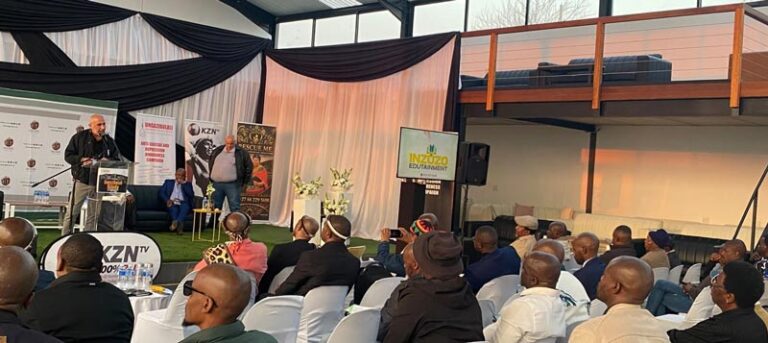
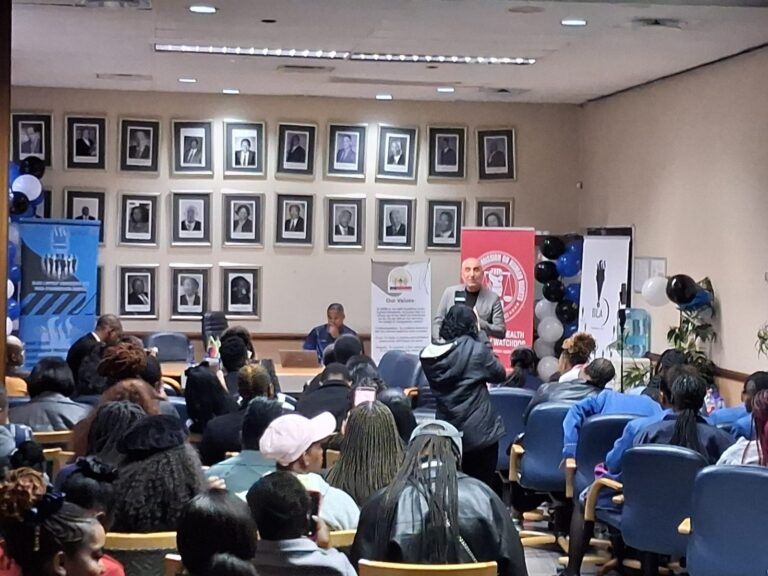
The 2026 Human Rights Festival kicked off on Thursday with a powerful seminar by our Executive Director titled “Without Human Rights, There Can Be No Mental Wellness.” The talk set the tone for the days that followed, highlighting a simple but often overlooked truth: mental health cannot exist without freedom, dignity, and informed choice. There were mainly people involved with HR and many of them booked the workshop in their organizations or communities. The workshop was supposed to last 1 hour, but people stayed for 2 and half hours asking for more on the subject.
The Expo
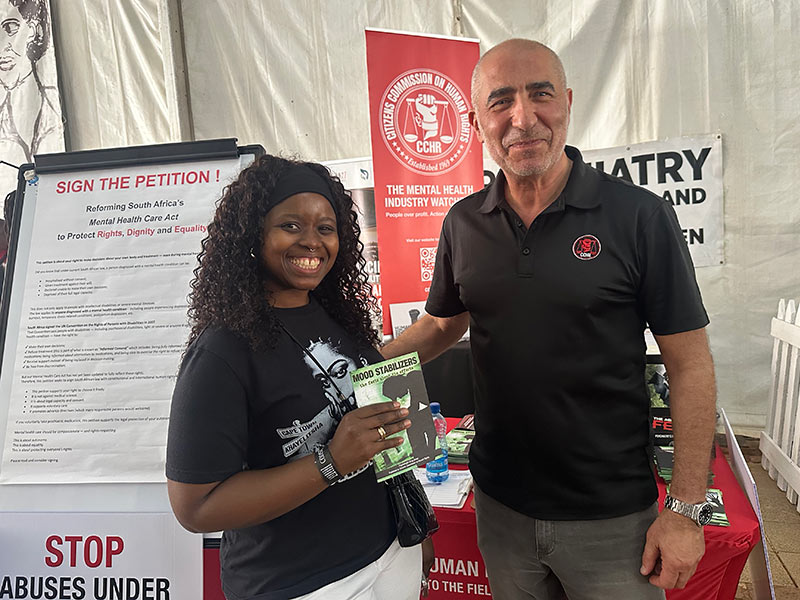
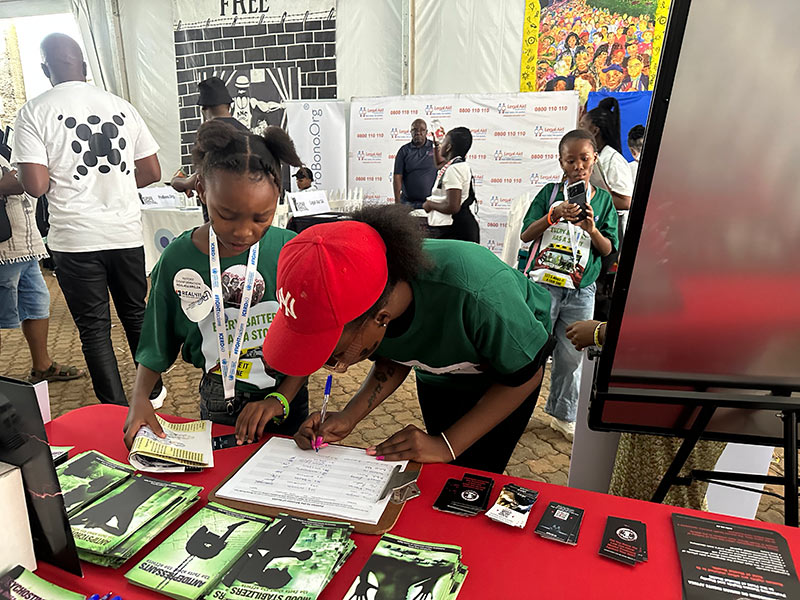
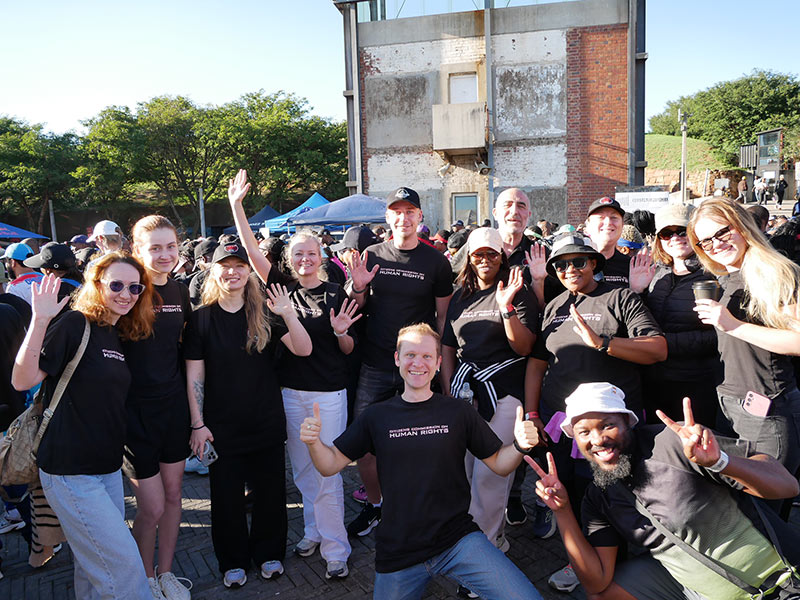
From Friday through Saturday, the expo floor was alive with energy. Students, opinion leaders, activists, artists, and like-minded organisations came together in a shared space of dialogue and awareness. Over the two days, we distributed hundreds of booklets, flyers, and information cards and people were grasping it with real interest. Mental health is a hot subject, and as soon as people understood who we are and what we do valuable new alliances have been formed and we received a strong wave of enquiries for upcoming seminars and training. Most of our visitors also signed without any hesitation our petition to improve the current mental health law. Among them are 4 elderly ladies survivors of the “slave camps” exposed by CCHR in 1974 who are still willing to stand up for Human Rights!
Featuring on SABC News
Saturday, 29 March 2026
What stood out most were the conversations.
Many people told us:
“I didn’t feel like myself on antidepressants.”
“Something just felt wrong.”
“It didn’t actually help me.”
Those who had stopped taking psychiatric medication often spoke about how much better they felt afterward. Others, still taking medication, were surprised to learn about the full range of potential side effects, saying they had never been properly informed.


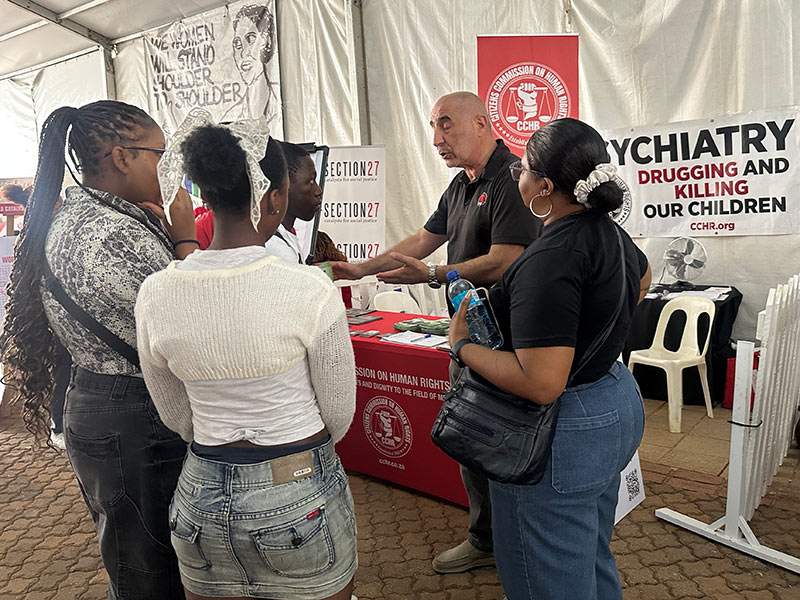
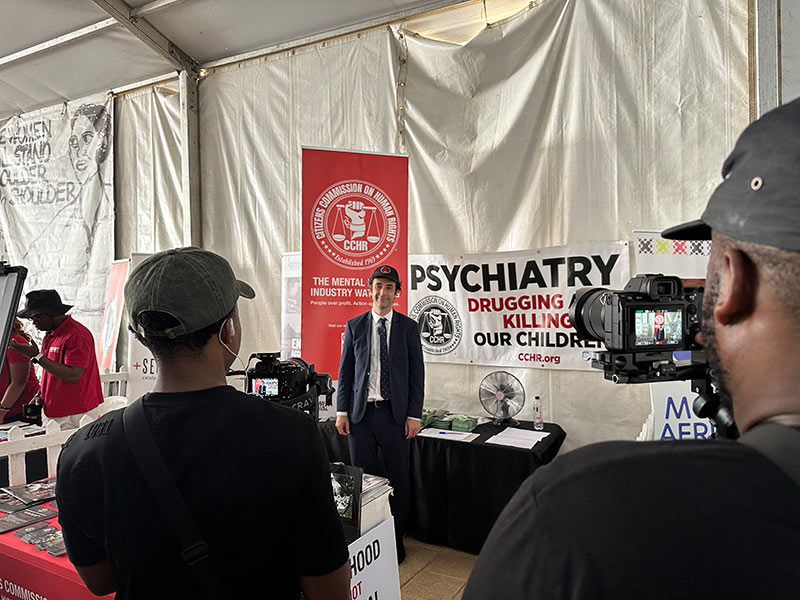
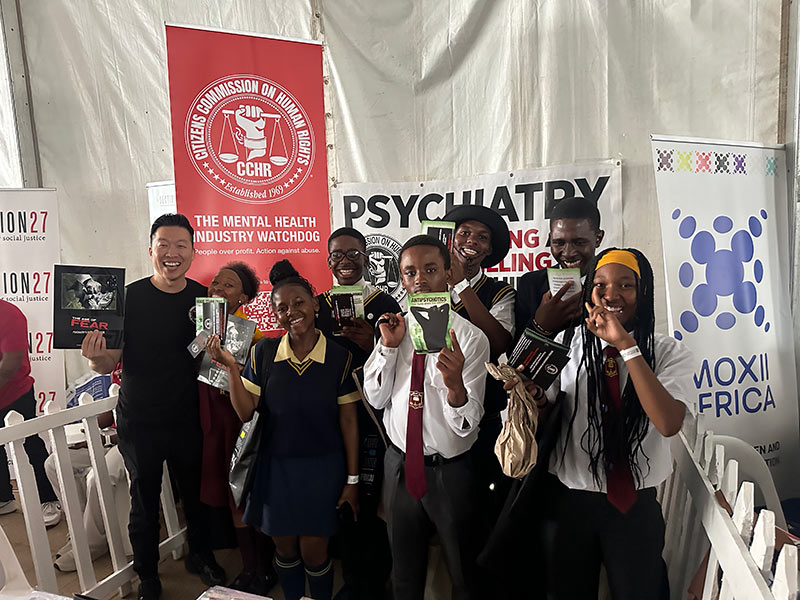
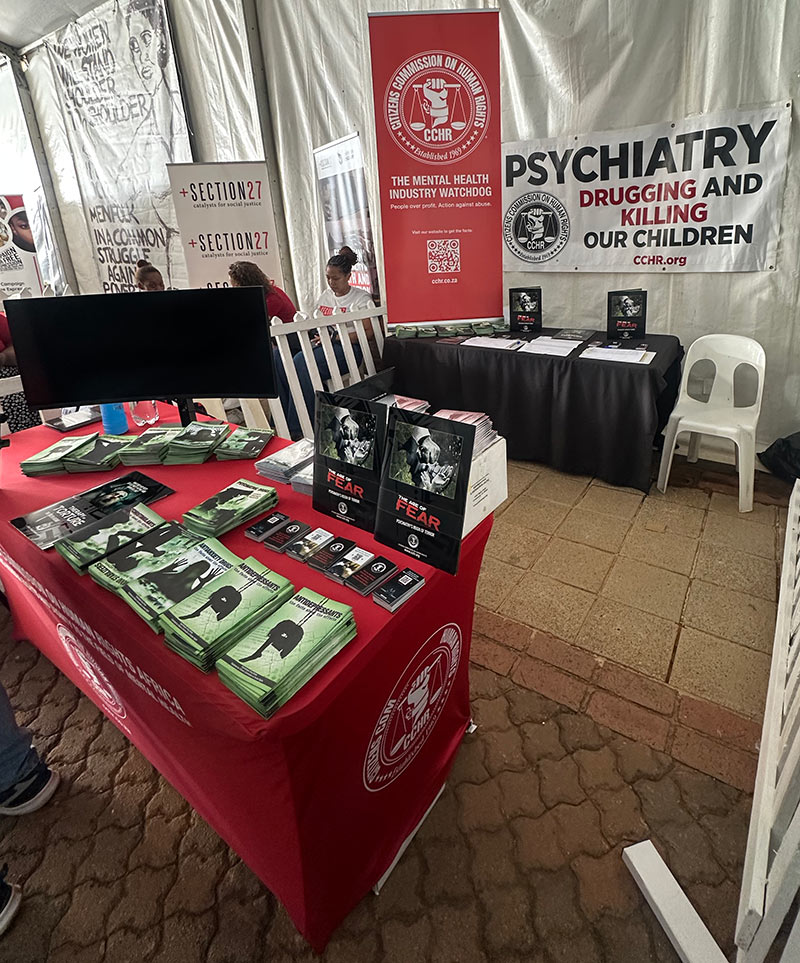
These moments reinforced why awareness matters. People deserve to know the truth about psychiatry and its medications so they can make the right decision.
Then there was the march.
The Human Rights March
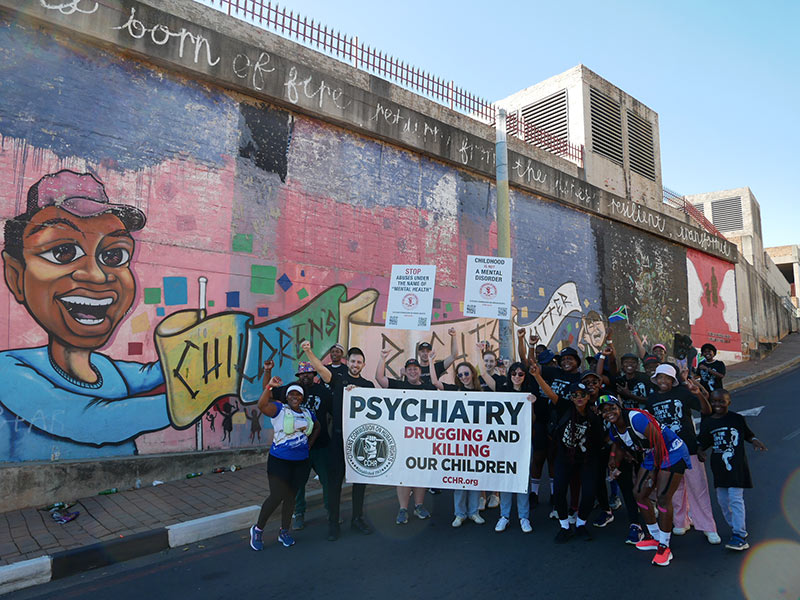
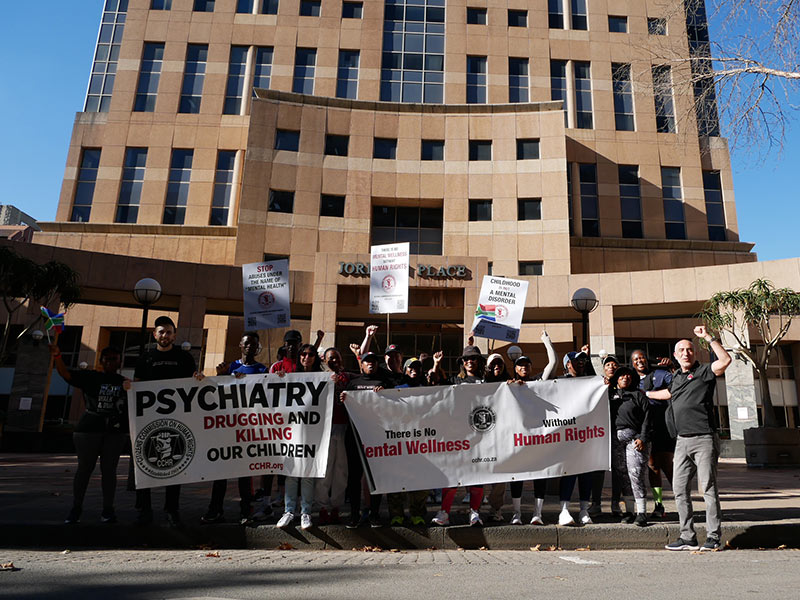
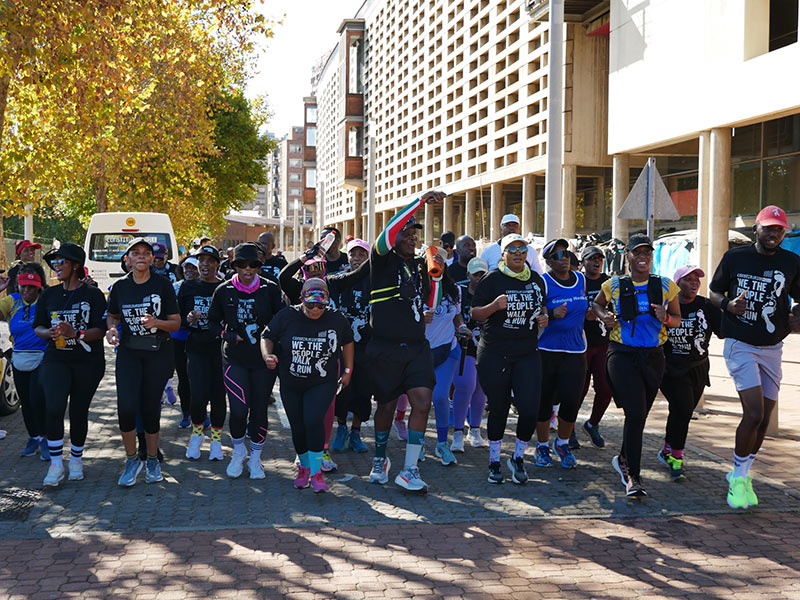
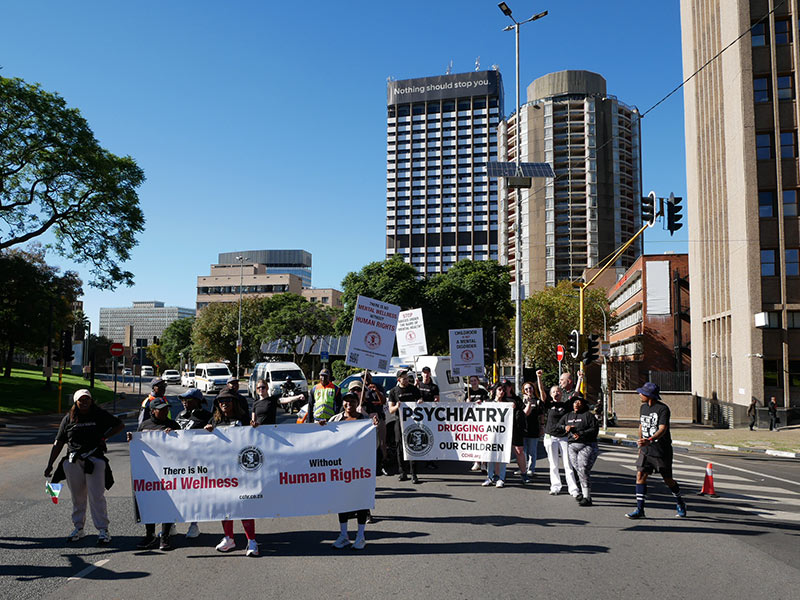
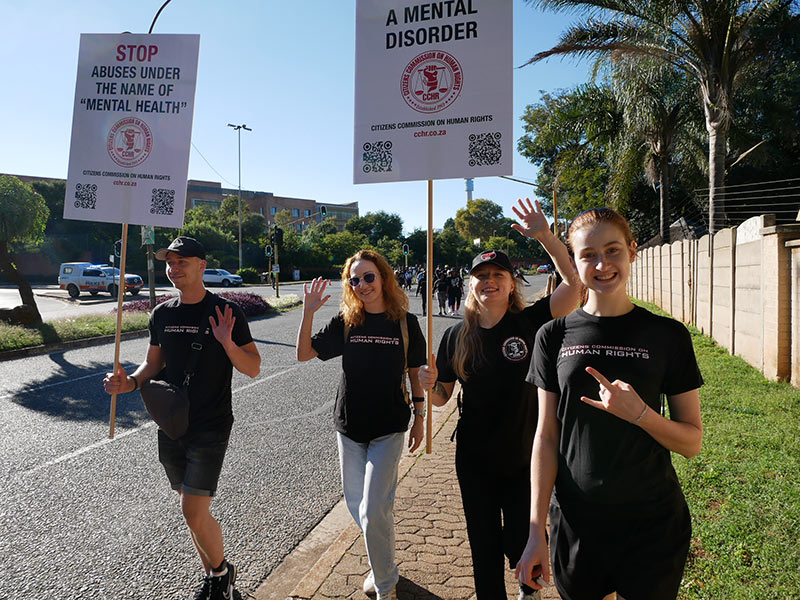
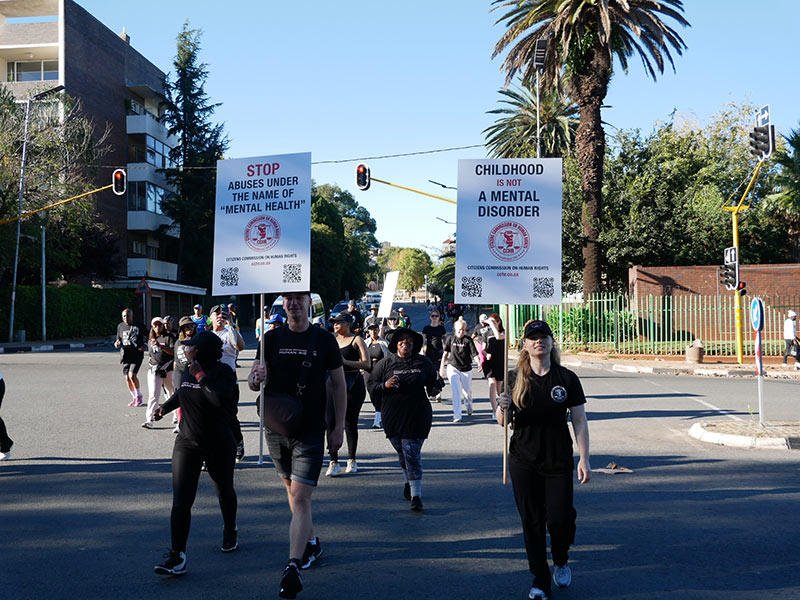
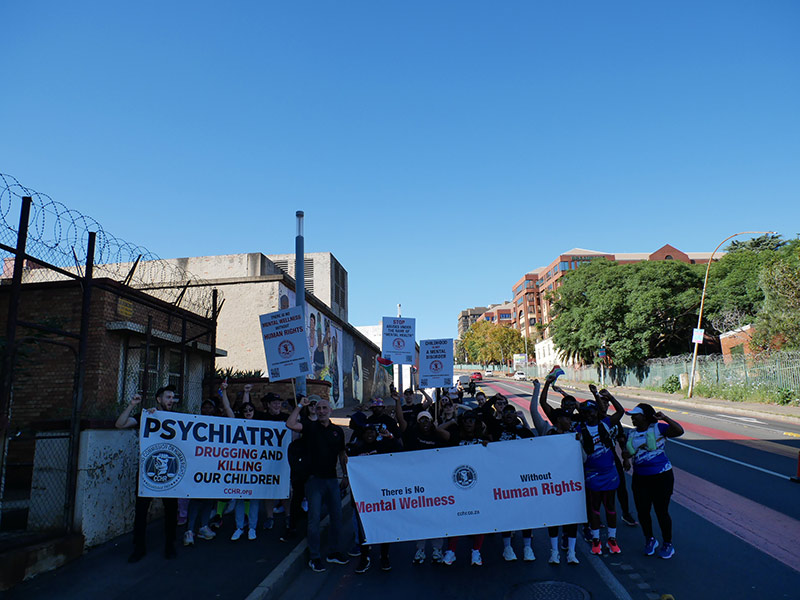
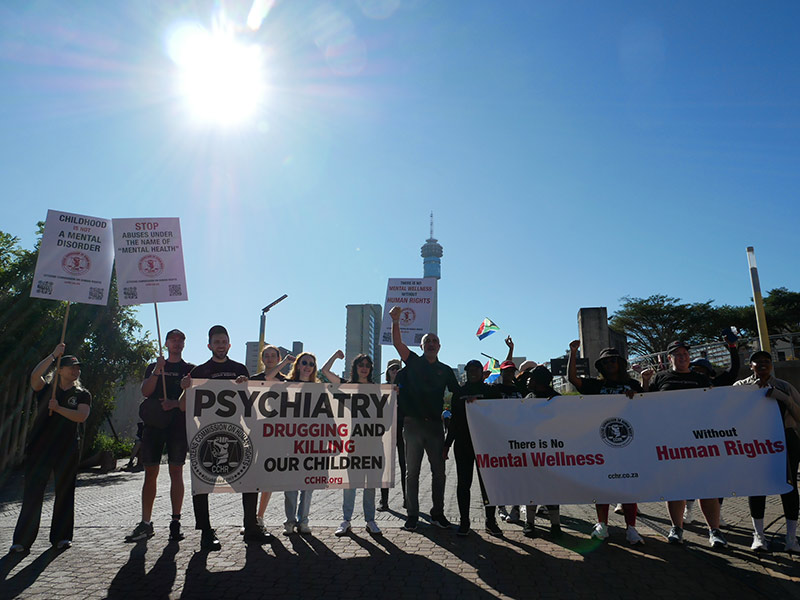
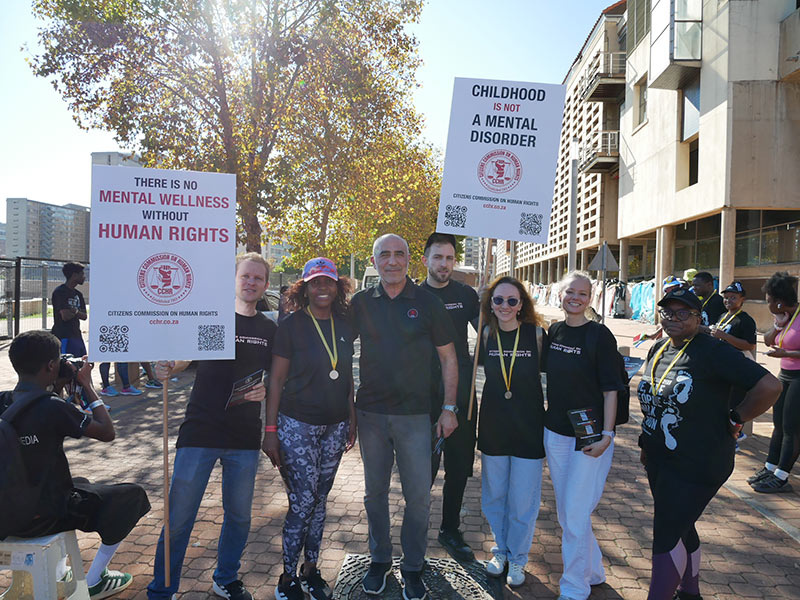
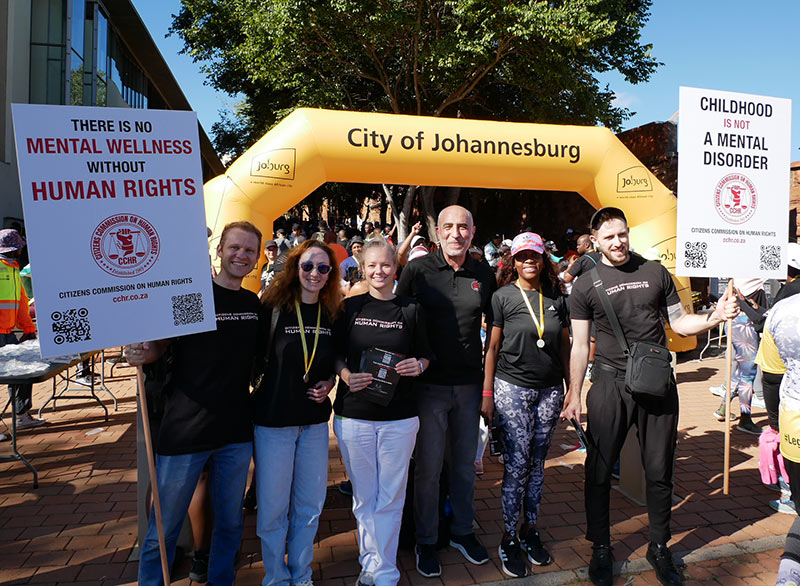
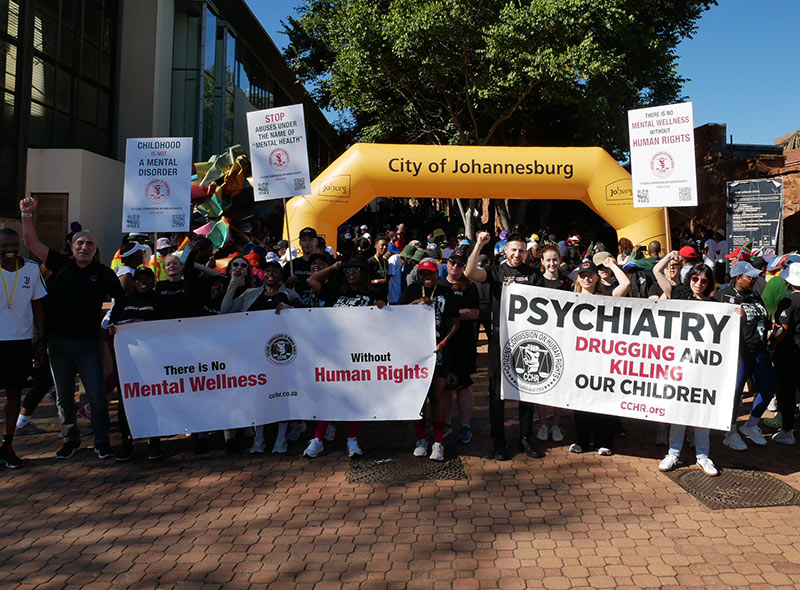
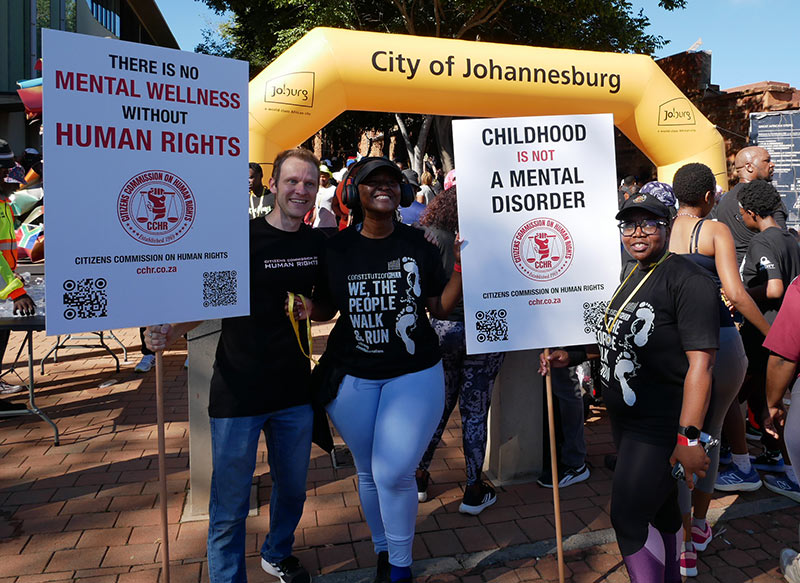
On Sunday, the festival concluded with a run and walk through the streets. People from all walks of life joined in, chanting “We the People” and standing together in unity.
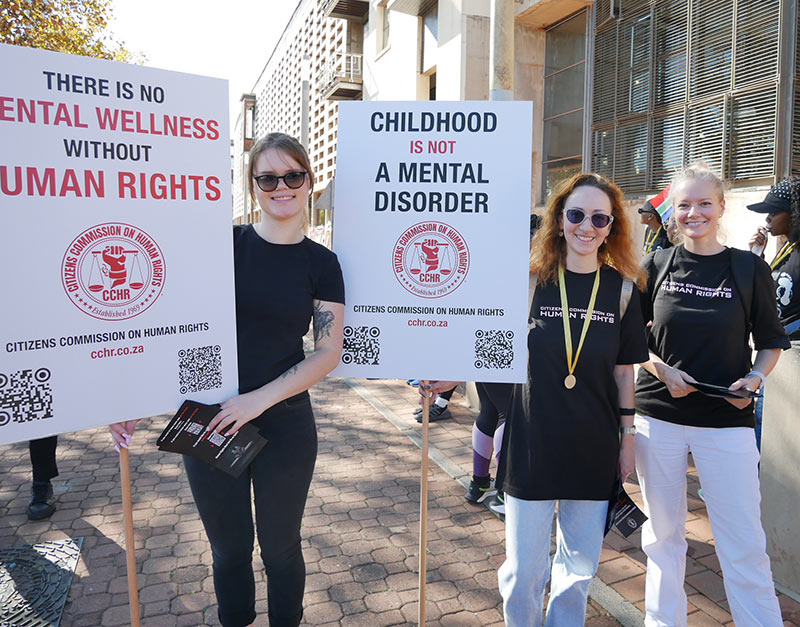
Along the route, we continued spreading awareness, handing out about 2,000 flyers, engaging in conversations, and connecting with members of the public. It was a powerful reminder that change doesn’t just happen in talks or exhibitions, it happens when people come together and take a stand.
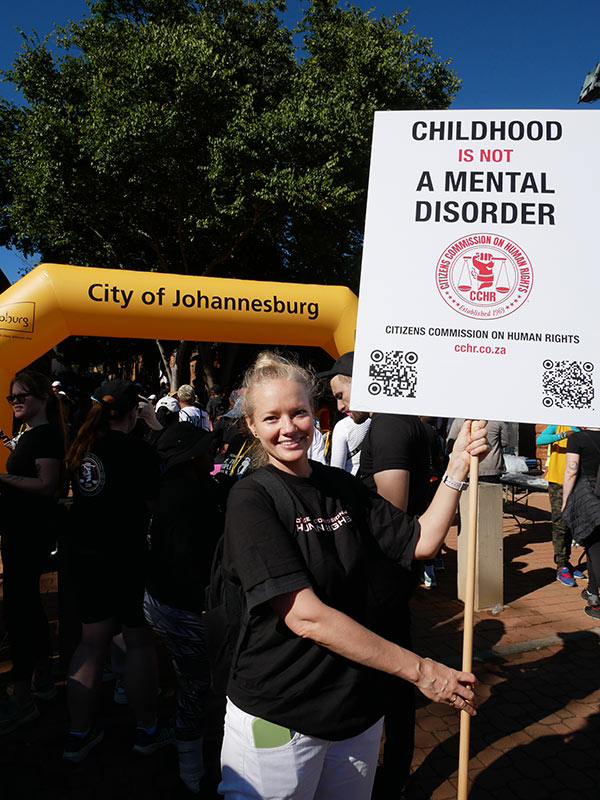
People liked our posters so much that many asked to borrow them to take photos . . !
This festival continues to be an important platform to meet the public, hear real experiences, and push forward the conversation around human rights in mental health care.
Looking Ahead
Beyond awareness, this year’s festival was about connection.
We formed valuable new alliances and received a strong wave of enquiries for upcoming seminars and training. It’s clear that the need for open, honest conversations around mental health and human rights is growing.
This festival created a space where people could share their stories, feel heard, and realise – their body, their rights.
We are now going to work with educators and schools to set up seminars focused on a critical message: childhood is not a mental disorder, and there must be greater awareness around the field of mental health and wellness.
This is only the beginning.
Petition to Amend the Mental Health Care Act
We also invited attendees to sign our petition to amend the Mental Health Care Act.
👉 CCHR Petition: Reforming South Africa’s Mental Health Care Act to Protect Rights, Dignity and Equality.
This petition supports your right to make fully informed decisions about your treatment, including understanding the risks, side effects, and available alternatives to psychiatric medication.
Why This Matters
Under current South African law, a person diagnosed with a mental health condition can:
- Hospitalised without consent;
- Given treatment against their will;
- Declared unable to make their own decisions;
- Deprived of their full legal capacity;
This does not only apply to severe conditions. It can affect anyone diagnosed with depression, anxiety, trauma, burnout, or other common challenges.
South Africa committed to change when it signed the UN Convention on the Rights of Persons with Disabilities in 2007. This convention affirms that people have the right to:
✔ Make their own decisions;
✔ Refuse treatment (this is part of what is known as “Informed Consent” which includes: being fully informed about all side effects of medications; being informed about alternatives to medications, and being able to exercise the right to refuse treatment);
✔ Receive support instead of being replaced in decision-making;
✔ Be free from discrimination;
However, our current legislation has not yet fully caught up with these principles.
This petition is about aligning South African law with constitutional and international human rights standards. Mental health care should be compassionate, but also rights-based.